-
Products
- Products
- Fire resistant cables
- Power cables 1-145 kV
- Building cables
- Pre-wired installation cables in conduits
-
Specialty LV cables and flexible cords
- Overview
- TITANEX® H07RN-F 450/750 V
- H03V2V2-F (RKK 90) 300/300 V
- H03VVH2-F (SKX-U) 300/300 V
- H05V2V2-F (RKK-S 90GR) 300/500 V
- H05VVH2-F (RKX) 300/500 V
- H05VV-F (RKK) 300/500 V
- H03V2V2H2-F (SKX-U 90GR) 300/300 V
- H03VV-F (SKK) 300/300 V
- PUREAX (H07BQ-F)
- RKX 90
- S03Z1Z1H2-F (SQX) 300/300 V
- H05Z1Z1-F (RQQ) 300/500 V
- Robotic lawnmower wire H05Z1-K (RQ) Tinned 300/500 V
- NOAC-E HFFR 300/500 V (S05Z1A7Z1-F)
- Telecom - LAN - security
- Industrial cabling
- Accessories
- Your business
- News
- Support and Tools
- We are Nexans
- Sustainability
- Sustainability at Nexans
- Sustainability at Nexans
- Search
- Contact us
- Compare
- Sign in
Circular Economy
Creating a regenerative approach
Society is in the long run switching from a linear economy to a circular economy. This means all products are manufactured so that they can be disassembled and that the materials can either be broken down by nature or returned to production.
- Recycling
All waste from our own production is carefully handled in our own recycling station, which makes it possible to better distinguish all material through several fractions. We strive to recycle as much of our waste as possible. The waste we cannot recycle goes instead to energy recycling. From the production waste, 100% of all conductors with pure copper or pure aluminum can be recycled while the plastic jacket - usually a halogen-free plastic - is burned for energy use.
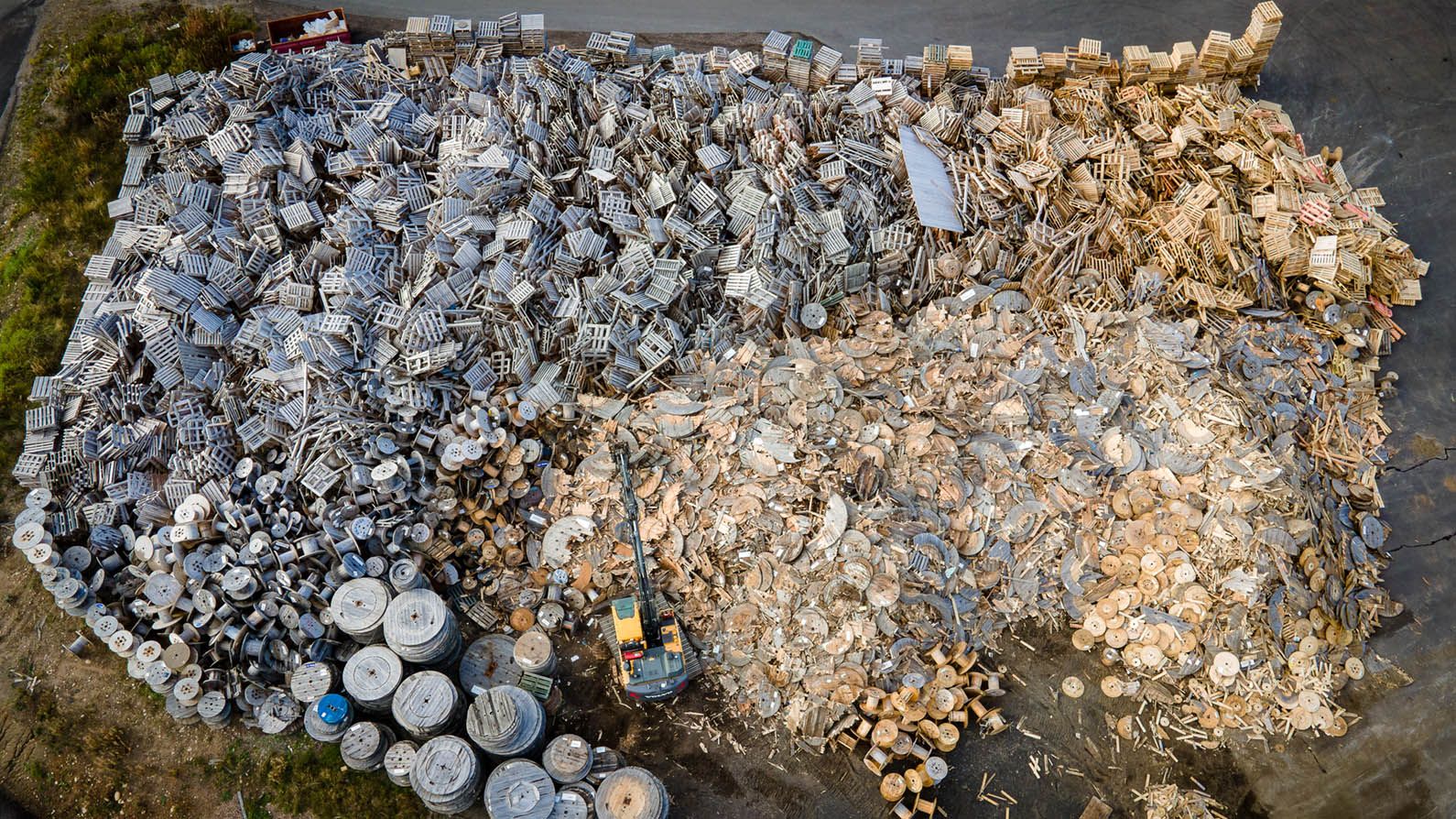
- Re-used wooden drums from certified forest
In Sweden, there has been a common system for many years, initiated by the cable manufacturers themselves, for repurchase and disposal of return drums. At Nexans Sweden, we have our own drum repair where the staff takes care of worn or broken drums and makes sure that they can be used again.
- PEP Ecopassport® - environmental declaration of products
PEP Ecopassport® acts as an environmental ID card for the product, based on a standardized, reliable and recognized program. The “Environmental Passport” reports the results of an evaluation of the product's environmental impact, calculated through a life cycle analysis (LCA). This method measures the product's impact on air, water, soil and natural resources throughout the product life cycle, from raw material extraction to scrap.
Our websites
Select your country to find our products and solutions
-
Africa
- Africa
- Ghana
- Ivory Coast
- Morocco
- North West Africa
- Americas
- Asia
- Europe
- Oceania